




Inkjet Coding
For printing dates, batch numbers, text and other variable information on compatible packaging surfaces. Handheld, tabletop and inline options support different workflows.
Vous possédez un compte ?
Connectez-vous pour payer plus vite.

De la conception à la réalisation, les solutions clés en main de...
SOLUTIONS DE CODAGE ET DE MARQUAGE
Découvrez les machines à dater pour imprimer les dates de fabrication, les dates d’expiration, les numéros de lot et les informations variables sur les emballages compatibles. Comparez les méthodes de marquage jet d’encre, à ruban, laser et autres, en fonction de vos matériaux et de votre ligne de production.
Comparez les équipements de marquage selon la méthode d’impression, le matériau d’emballage et les exigences de production.
Choose a coding method according to your packaging material, code content, production speed and integration requirements.
For printing dates, batch numbers, text and other variable information on compatible packaging surfaces. Handheld, tabletop and inline options support different workflows.
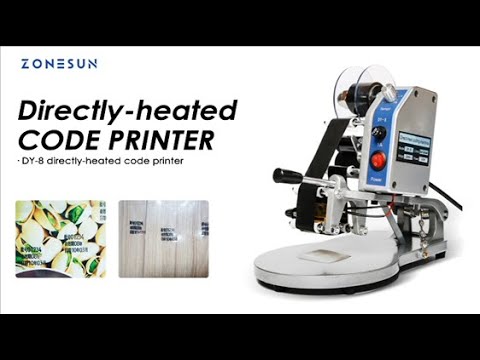
For thermal-transfer or hot-stamping applications on suitable films, bags and other packaging materials. Confirm ribbon compatibility and print-area requirements.
For permanent marking on compatible substrates. Laser type and power should be matched to the material, marking contrast, code size and line speed.
For selected paper, carton, film and other applications that suit solid-ink, pad or contact-printing methods. Test samples before selecting a configuration.
The best setup depends on the surface to be marked and how products move through your production process.
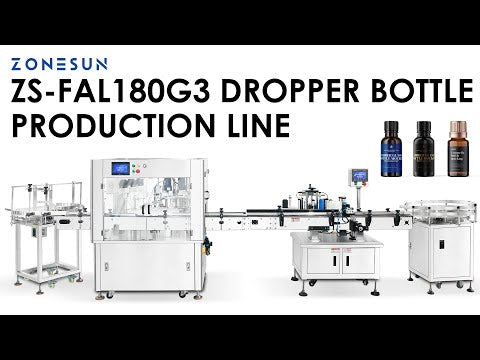
Consider the marking surface, container shape, label position and whether the container needs to rotate or move along a conveyor.
Check film composition, surface finish, sealing layout and available print area. Integrated sealing and coding may suit selected bag-packing workflows.
Confirm the substrate, print position, conveyor speed and whether codes are applied before or after labeling or cartoning.
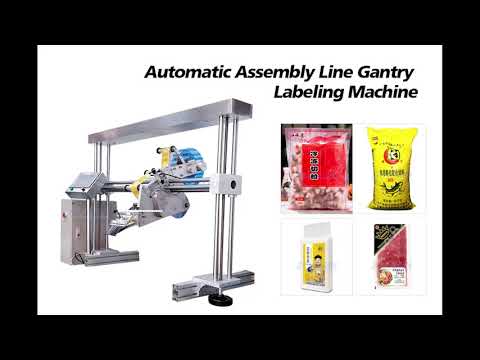
For automated lines, verify conveyor speed, trigger signals, mounting space, code-change frequency and communication requirements.
Prepare these details before comparing models to narrow down suitable equipment more efficiently.
Identify whether you are marking plastic film, paper, cardboard, glass, metal or another substrate. Surface treatment can affect print adhesion and contrast.
Specify the content, such as manufacturing date, expiry date, batch number, lot code, text, barcode or QR code, along with character size and number of lines.
Share the target output per minute or hour, conveyor speed and expected operating hours. Confirm that the selected model can keep pace with your line.
Choose between handheld, tabletop, standalone and inline configurations according to operator workflow, available space and automation goals.
Compare ink, ribbon, type sets or other consumables where applicable. Consider changeover frequency, cleaning, maintenance access and running costs.
Confirm power, mounting, sensor and conveyor requirements. Provide representative packaging samples to evaluate marking quality before finalizing a solution.
Key considerations when selecting date and batch coding equipment.
It depends on the material, surface treatment, required code and production conditions. Share your packaging photos and material details so the suitable printing method can be assessed.
Many coding configurations support date and batch information. Available content, character size, number of lines and print area vary by model, so check the specifications of the machine you select.
Compare the substrate, desired marking permanence, code content, production speed, consumables and operating environment. Sample testing is recommended when material compatibility is uncertain.
Integration may be possible depending on conveyor speed, mounting space, triggering method, controls and product positioning. Provide a line layout or machine photos for review.
Send packaging photos, material, dimensions, required code examples, target output, available installation space and any existing conveyor or packaging machine details.
Ask the sales team whether testing is available for your selected model and application. Provide representative samples and specify the required marking content and quality criteria.
Partagez les informations relatives à votre matériau d’emballage, au code requis, au résultat souhaité et à votre ligne de production afin de définir une configuration de marquage adaptée.
Discutez de votre candidature