


ÉQUIPEMENT DE CONDITIONNEMENT SOUS VIDE
Machines d'emballage sous vide
Explore vacuum packaging equipment for food, powders, liquids and other products. Compare chamber vacuum sealers, nozzle vacuum sealers, vacuum and gas-flush systems, and integrated packaging lines.
Découvrez les équipements de mise sous vide
Comparez les types d'équipement et accédez à la section la plus pertinente pour votre application.
MACHINE CATALOG
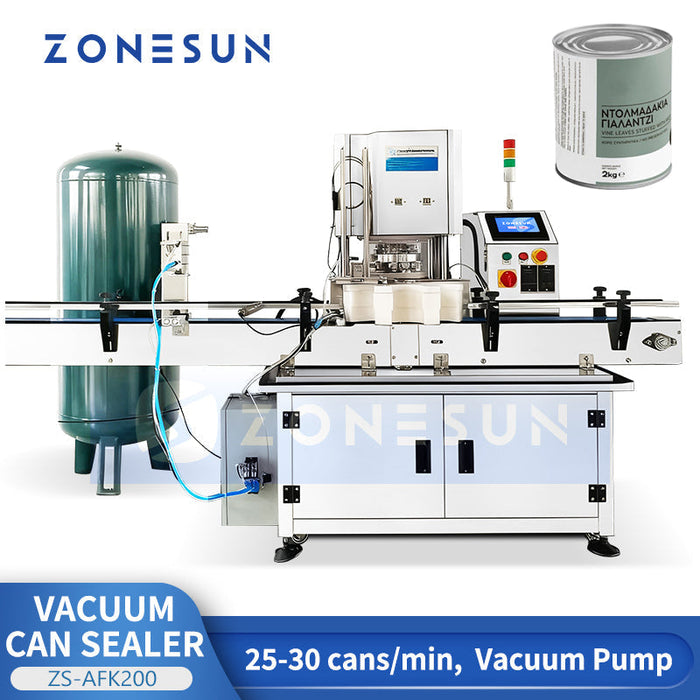
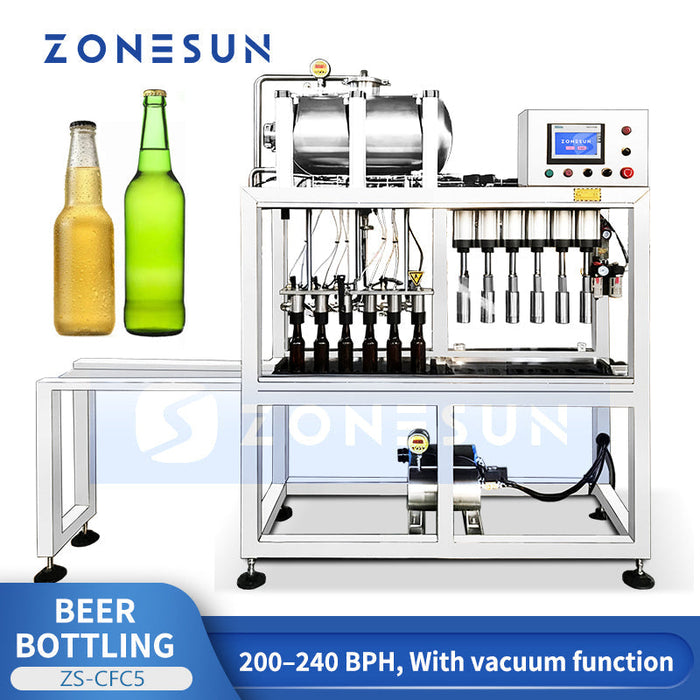
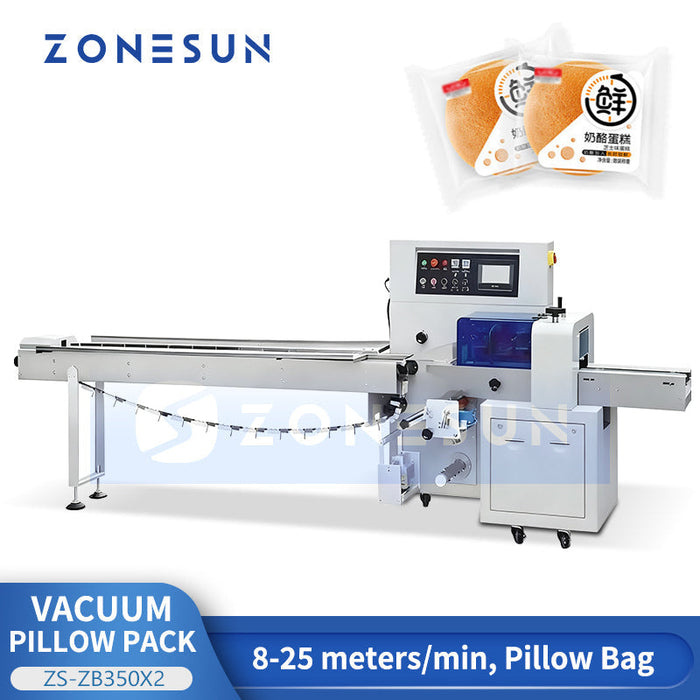
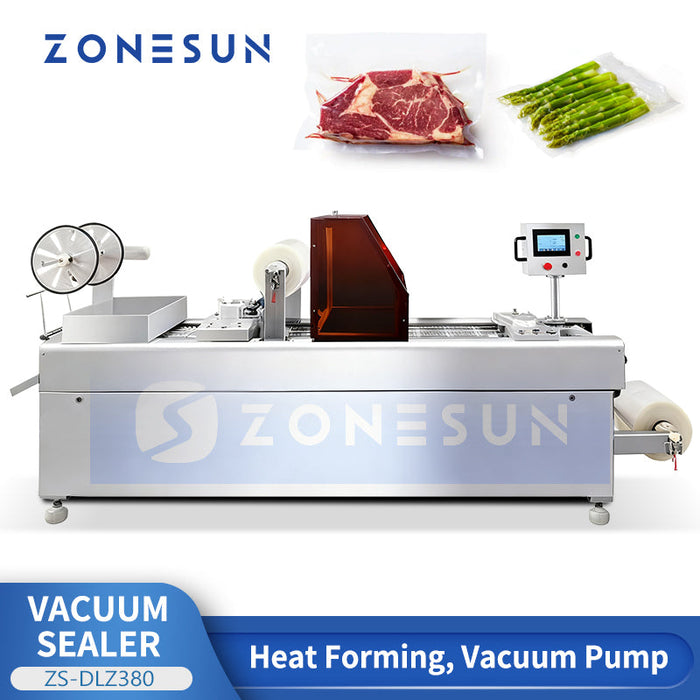
Catalogue des machines de mise sous vide
Comparez les configurations, les fonctionnalités et les prix des machines. Contactez-nous pour confirmer la compatibilité avec votre produit et votre forfait.
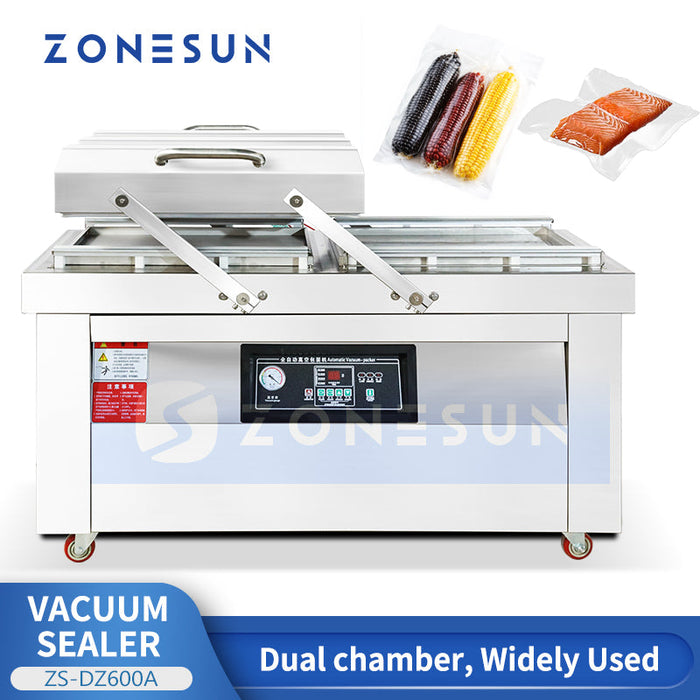


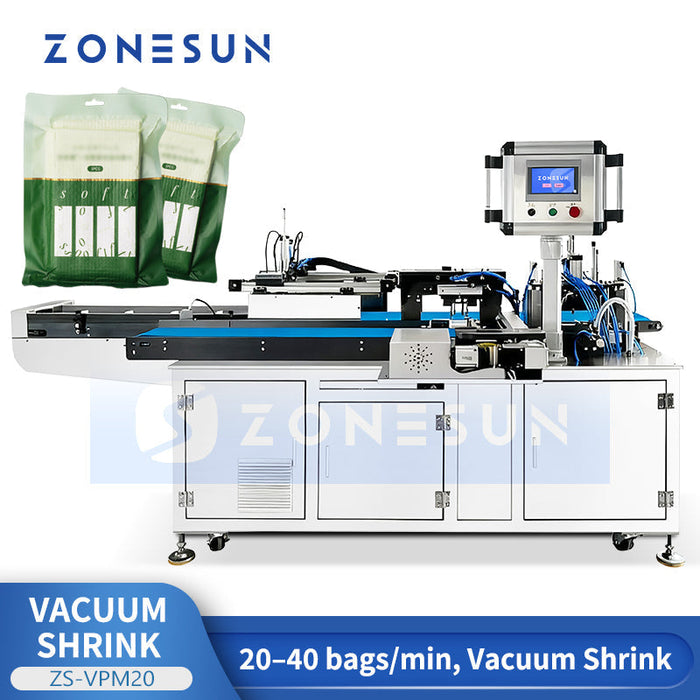
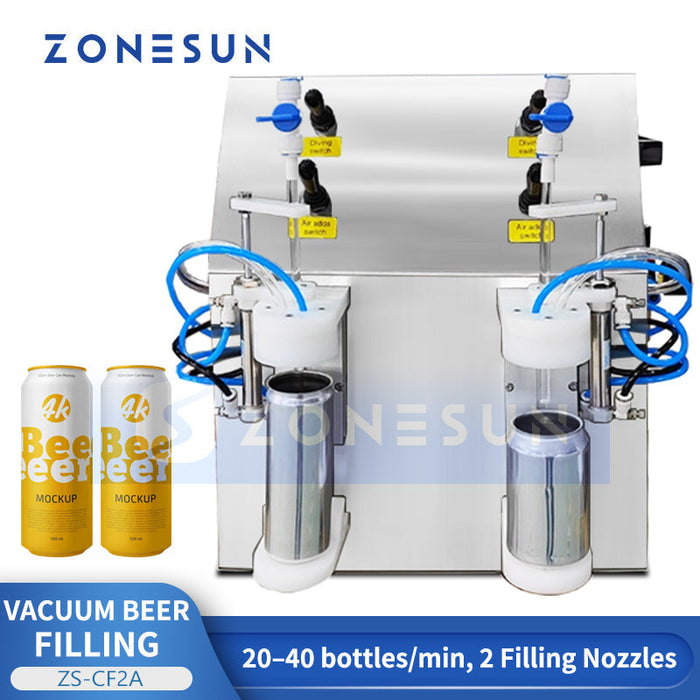
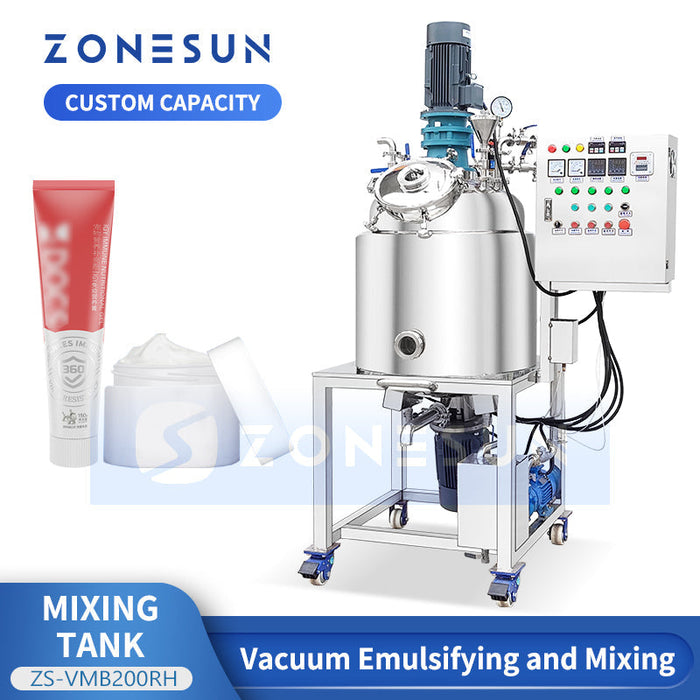
APPLICATIONS
Vacuum Packaging for Different Products
Confirm product properties and packaging requirements before selecting a machine configuration.
Food & Ingredients
Bagged food, dry ingredients and other products that need air removal before sealing.
Powders & Granules
Suitable vacuum or gas-flush systems for compatible powder and granular products.
Industrial & Specialty Products
Packaging configurations for selected components and products with specific storage or handling requirements.
Actual suitability depends on product characteristics, packaging material and required process. Confirm application compatibility before ordering.
SELECTION GUIDE
Comment choisir une machine sous vide
Commencez par définir votre produit, le format de conditionnement et l’objectif de production, puis confirmez la méthode de mise sous vide et la configuration de la machine.
STEP 01
Start with Your Package Format
The container or package usually determines which machine structure to consider first.
Bags & Pouches
For flexible bags, compare chamber vacuum sealers and external-nozzle vacuum sealers.
- Check bag width, length and material.
- Confirm chamber size or nozzle access.
- Consider whether the product is dry, moist, oily or powdery.
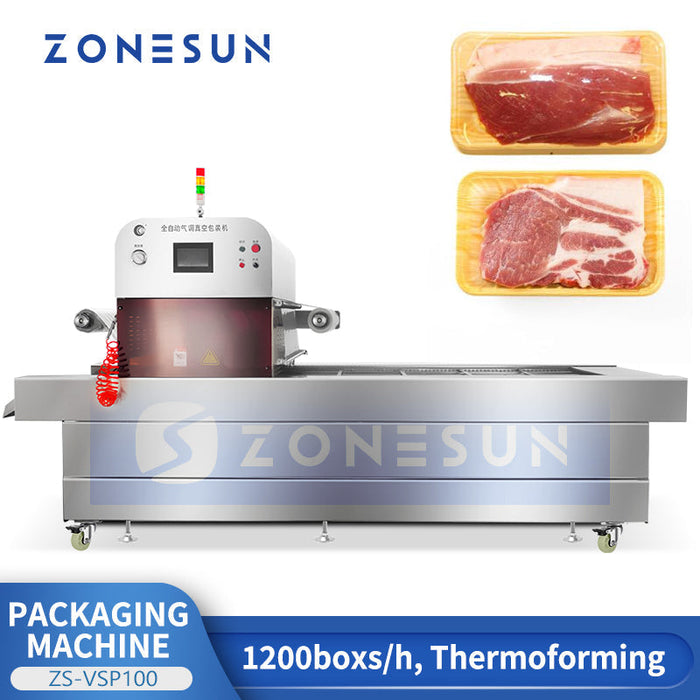
Trays & Thermoformed Packs
Tray sealing and thermoforming applications need equipment matched to the pack shape and film structure.
- Provide tray dimensions and cavity layout.
- Confirm top-film and forming-film requirements.
- Define whether vacuum or gas flushing is needed.
Jars & Cans
Rigid containers may need vacuum capping or vacuum-and-gas-flush seaming rather than a bag vacuum sealer.
- Share container material, diameter and height.
- Identify the lid, cap or can-end type.
- Confirm whether vacuum, gas flushing or both are required.
STEP 02
Define the Packaging Process
Clarify the result you need before comparing machine models.
A
Vacuum Only
Air is removed from a compatible package before sealing. Specify the product and desired package appearance, then verify performance with samples.
B
Vacuum + Gas Flush
Some systems remove air and then introduce a specified gas. Confirm the gas type, package compatibility and process requirements with the supplier.
C
Reliable Sealing
Film thickness, seal width, product residue and package material can affect seal quality. Test for leakage, wrinkles, damage and consistent results.
STEP 03
Check Your Production Requirements
Use these details to narrow down machine size, automation level and configuration.
Target output
Packages per hour, shift length and expected working cycle.
Product characteristics
Product dimensions, moisture, oil content, fragility or powder flowability.
Automation level
Manual, semi-automatic or automatic operation, including loading and unloading.
Installation conditions
Available floor space, power, compressed air and line integration needs.
FINAL STEP
Test Your Product and Packaging Before Ordering
Provide product samples and the exact bags, trays, lids or containers. Testing helps confirm package fit, air removal, seal quality, cycle time and any special handling requirements. Vacuum packaging alone does not guarantee food safety or a specific shelf life.
- Product photos or samples
- Package dimensions and material
- Target output and working schedule
- Vacuum or gas-flush requirements
Need help matching a machine to your package?
Send us product photos, bag dimensions, target output and any vacuum or gas-flush requirements.
HELPFUL ANSWERS
Vacuum Packaging Machine FAQs
Key points to confirm before choosing equipment.
How do I choose the right vacuum packaging machine?+
Start with the product, package type and dimensions, target output and required vacuum level or gas-flush process. Share these details with our team to narrow down suitable models.
What is the difference between chamber and nozzle vacuum sealers?+
A chamber machine evacuates air from a closed chamber containing the package. A nozzle machine draws air through a nozzle inserted into a compatible bag. The suitable method depends on bag format, product and production workflow.
Can a vacuum packaging machine use gas flushing?+
Some models support gas flushing or can be configured for it. Confirm the required gas, package material, product needs and the exact machine configuration before purchase.
Can the machine be customized or integrated into a production line?+
Options depend on the model and application. Provide your desired output, package dimensions, existing line layout and utility requirements so the configuration can be reviewed.
What information should I provide for a recommendation?+
Send product photos or samples, package material and dimensions, target packages per hour, operating schedule, available utilities and any special vacuum or gas-flush requirements.
MACHINE SELECTION SUPPORT
Find the Right Vacuum Packaging Configuration
Tell us about your product, package and production target to discuss suitable equipment.