





Cylindrical Screen Printing
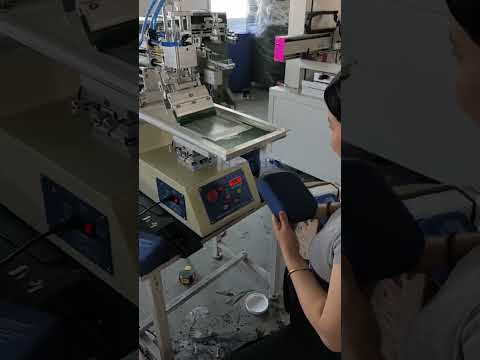
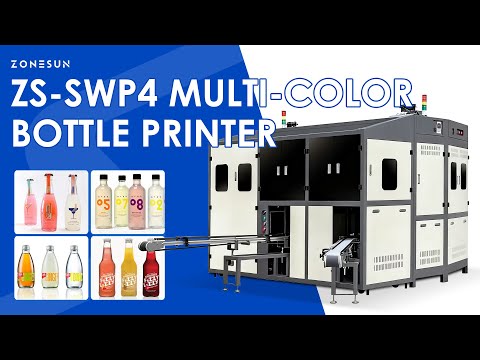
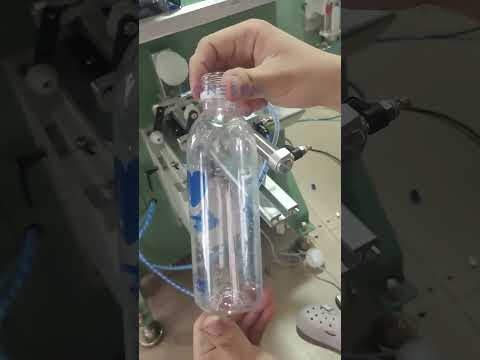
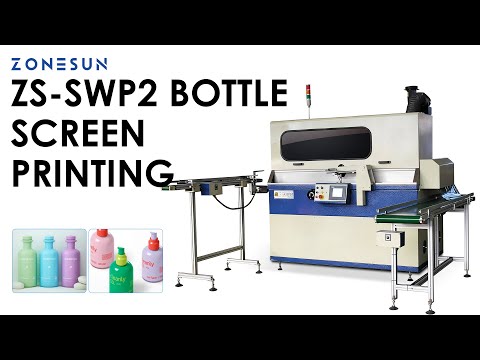
Designed for round bottles, jars, cups and similar containers. A suitable rotation and positioning system helps keep printed graphics aligned around the product surface.

Dall'ideazione al completamento, le soluzioni chiavi in mano di ZONESUN offrono tutto...
SCREEN PRINTING SOLUTIONS
Explore screen printing machines for bottles, cups, tubes, flat products and other compatible workpieces. Compare machine types and find a setup that fits your product, artwork and production requirements.
Browse available machines and use the filters to narrow your options. For a more accurate recommendation, compare product dimensions, print area and production requirements.
Compare common screen printing setups by workpiece shape and production requirements. The suitable configuration depends on the product, artwork, ink system and required output.
Designed for round bottles, jars, cups and similar containers. A suitable rotation and positioning system helps keep printed graphics aligned around the product surface.
Suitable for panels, sheets, lids and other flat workpieces. Check the usable print area, workpiece support and registration requirements before selecting a machine.
Irregular or specially shaped items may need dedicated fixtures and positioning. Confirm that the product can be held securely and presented consistently to the screen.
Semi-automatic equipment can suit flexible production and frequent changeovers. Automatic systems may help with repeat orders and line integration when the product and process are standardized.
Start with the shape and surface of the item you need to print. These application groups help narrow down the machine type before comparing detailed specifications.
For round containers that require graphics around the circumference or at a defined position. Look for a machine with suitable rotation, container support and repeatable registration.
For cups and containers whose diameter changes along the body. Confirm the supported diameter range, taper compatibility and fixture design with actual product samples.
For tubes or shaped products that need controlled positioning. The right fixture and loading method depend on product geometry, surface stability and the location of the artwork.
For flat components and broad, even surfaces. Match the printable dimensions and worktable arrangement to the artwork and the largest workpiece in your product range.
After identifying the machine type for your product, evaluate these technical and operational factors to define the required machine specifications and configuration.
Measure the actual artwork and its position on the workpiece. Select a usable print area that accommodates the design, registration and the largest product you plan to run.
Identify the substrate, such as plastic, glass or metal, and confirm ink compatibility, surface preparation, adhesion and the required drying or curing process.
Estimate the required output per shift and consider loading, unloading, curing and changeover time. Compare realistic production cycles rather than relying only on nominal machine speed.
Consider order volume, product variety and available operators. Frequent small batches may favor flexible setups, while standardized high-volume work may benefit from more automation.
Confirm the ink's drying or curing requirements and whether the process needs a separate curing unit. For production lines, check transfer, space and timing between each operation.
Check how the product will be held and aligned during printing. Fixture design, repeatable positioning and changeover convenience can affect print consistency and day-to-day operation.
Review these common questions before choosing a screen printing solution for your production.
Depending on the machine and fixtures, screen printing can be used on bottles, jars, cups, tubes, flat panels, lids and other compatible products. Confirm the product dimensions, surface and artwork with the machine supplier.
Base the choice on the area to be printed and the product geometry. Round containers often require a rotation mechanism, while flat products typically use a supported worktable or flat fixture.
Some machines support a range of product sizes, but the usable range depends on machine travel, fixture design and the printing process. Provide the minimum and maximum dimensions of your products when requesting a recommendation.
Ink selection depends on the substrate, required adhesion, appearance and end-use conditions. The corresponding drying or curing process must be compatible with the selected ink; sample testing is recommended before production.
Consider output targets, batch sizes, product changeovers, labor availability and integration requirements. A supplier can help compare suitable configurations when you provide these production details.
Share product photos or samples, dimensions, material, artwork size, print position, target output and ink or curing requirements if known. These details help determine machine type, fixtures and optional equipment.
Tell us about your product shape, material, artwork size and target output. Our team can help you evaluate suitable machine types and configuration options.
Discuss Your Application