

WRAP-AROUND LABELING
Wrap-Around Labeling Machines
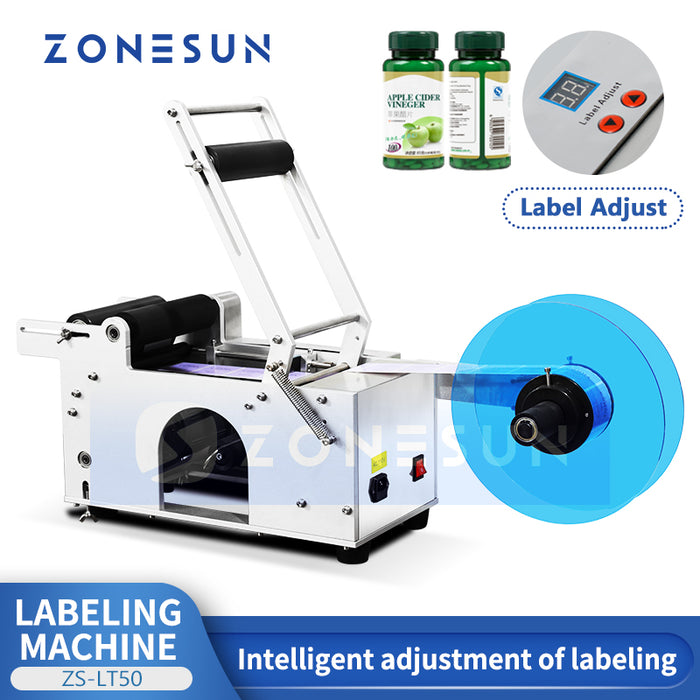
Explore wrap-around labeling machines for round bottles, jars, cans and compatible cylindrical containers. Compare full-wrap, partial-wrap, overlap and coding options based on container dimensions, label specifications and required output.
Explore Wrap-Around Labeling Options
Browse inline and rotary labeling configurations, round containers, large cylinders, overlap labeling and coding integration.
MACHINE CATALOG
Wrap-Around Labeling Machine Catalog
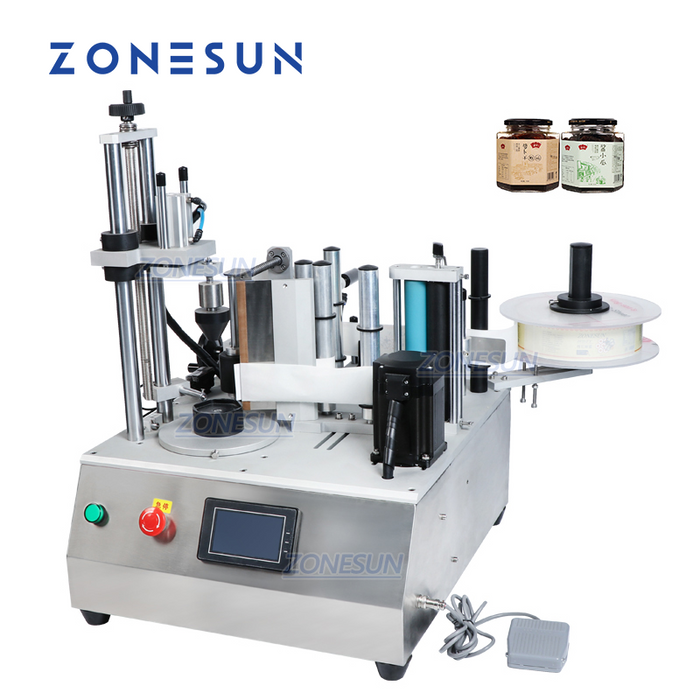
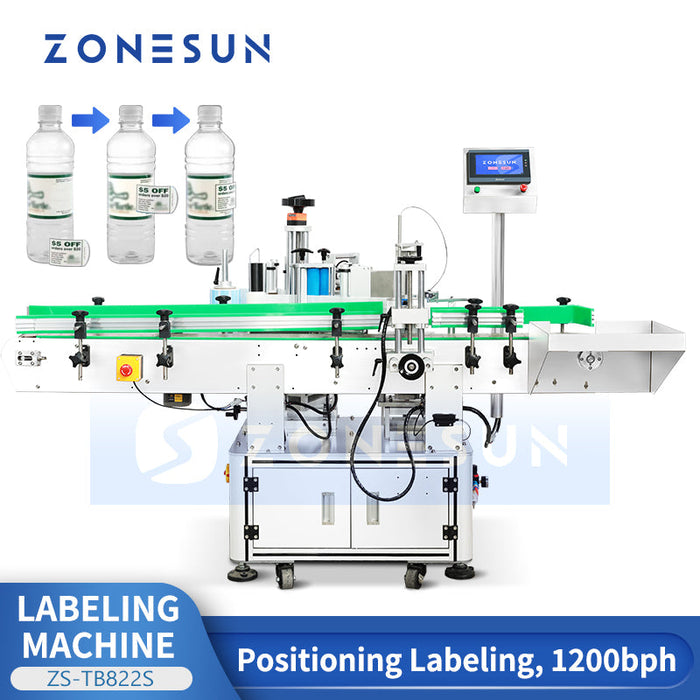
Compare wrap-around labelers by container dimensions, label coverage, roll specifications, coding needs and production output.


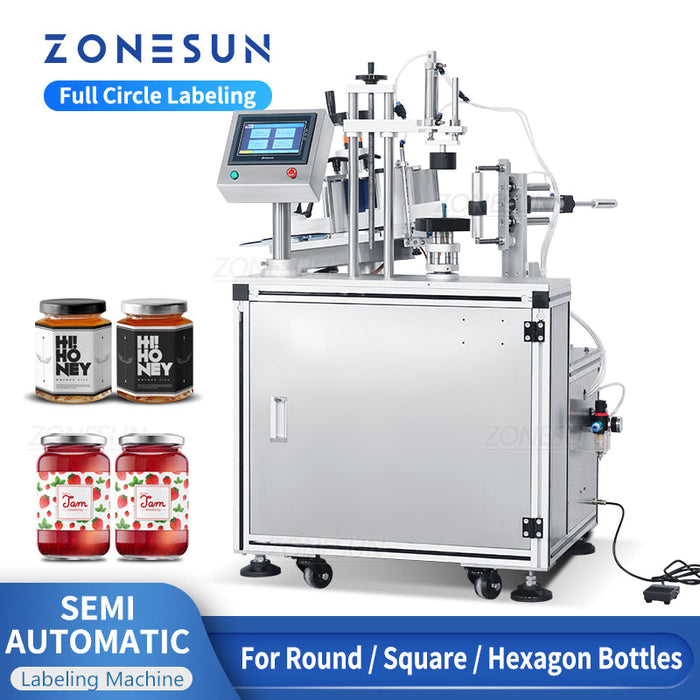
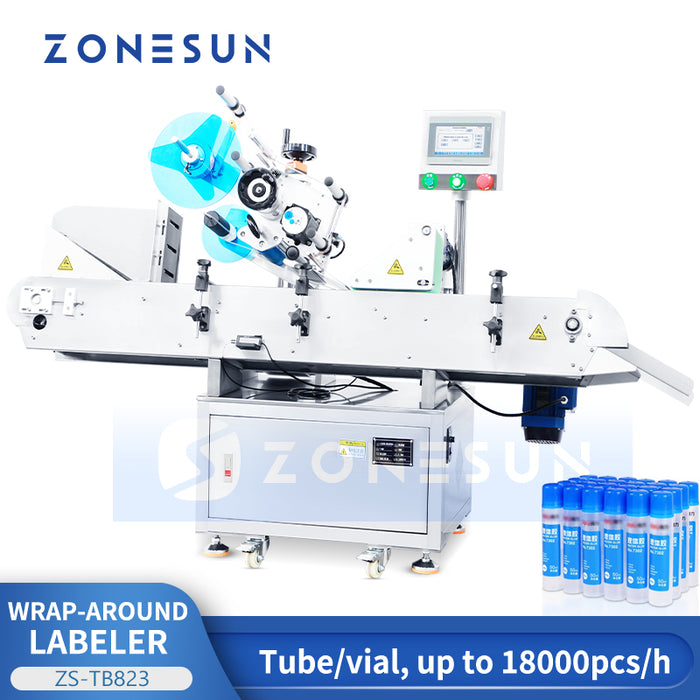
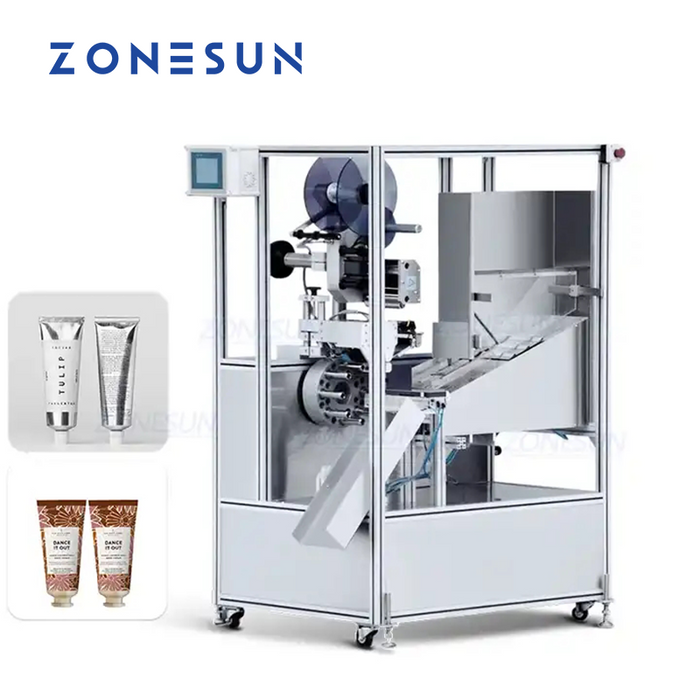
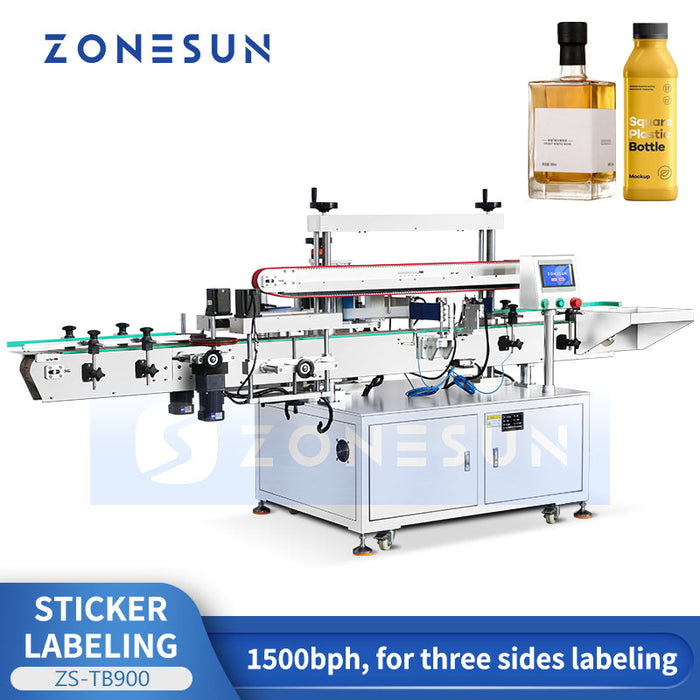

SELECTION GUIDE
How to Choose a Wrap-Around Labeling Machine
Choose a wrap-around labeling machine by confirming container geometry, label coverage, roll specifications, target output and line integration. Test actual containers and label rolls before ordering.
STEP 01
Confirm Container Shape and Dimensions
Container geometry, diameter, height, taper and stability determine how the product is held, rotated or conveyed during wrap-around labeling.
Container Diameter and Height
- Min/Max Diameter Ranges(Provide exact minimum/maximum container diameters and usable labeling height.)
- Rigid vs Squeezable Walls(Confirm container wall rigidity, structural stiffness, or empty deformation risks.)
- Cylindrical Stability Factors(Identify tapered bodies, prominent ridges, or non-cylindrical shape variations.)
Container Shape and Stability
- Multi-Angle Visual Reference(Share clear container photos from front, side, and bottom profiles.)
- Dynamic Rotation Blueprint(Mark intended label start/end lines and required positioning alignment indices.)
- Material & Surface Textures(Specify container materials such as glass, rigid plastic, PET, or metal.)
Wrap Coverage and Label Position
- Full vs Partial Wrap-Around(Choose 360-degree full-wrap, partial-wrap coverage, or explicit overlapping dimensions.)
- Overlap Alignment Tolerances(Confirm target label length, width, overlap margins, and precision tolerance window.)
- Exposed Perimeter Clearances(Define whether the label must cover full margins or leave visible gaps.)
STEP 02
Define Label Roll and Wrap Requirements
Label dimensions, material, adhesive and roll orientation help determine the applicator setup, label sensing and wrap performance.
A
Label Dimensions and Adhesion
Provide label width, length, material, and adhesive backing specifications. Transparent labels or reflective backing require specialized tracking sensors.
B
Roll Specifications
Confirm unwind direction, core diameter, roll outer diameter, label gap and winding orientation to check roll compatibility.
C
Label Length and Overlap
Specify the required wrap coverage and whether the label ends should meet, overlap or leave a gap.
STEP 03
Match Handling and Output to Your Line
Choose manual loading, automatic infeed and conveyor handling based on output, container stability and upstream or downstream equipment.
Required output
Target containers per minute and the expected operating schedule.
Automation level
Manual placement, semi-automatic operation, automatic feeding or continuous conveyor handling.
Container changeovers
Number of container sizes and how frequently format changes occur.
Line integration
Conveyor direction, container spacing and any filling, capping or coding equipment.
FINAL STEP
Verify Wrap Performance with Samples
Testing actual containers and label rolls helps verify container rotation, label start position, overlap or gap, adhesion, wrinkles and practical output before confirming a machine configuration.
- Container photos, dimensions and samples
- Label dimensions and material
- Roll direction, core and outer diameter
- Label position and target output
Need help selecting a labeling machine?
Send container details, label specifications and production targets for a configuration review.
LABELING APPLICATIONS
Wrap-Around Labeling Applications
Flat surface labelers are selected according to product shape, surface material, label position and feeding requirements.
Cylindrical Bottles & Jars
Seamless full or partial wrap-around labeling for wine, beverages, food jars, and household chemicals packaged in standard cylindrical containers.
Tapered & Shaped Containers
Specialized rotary or vacuum-assisted wrap labeling for tapered plastic cups, cosmetic tubs, and containers with minor surface slopes.
Vials, Ampoules & Small Tubes
Ultra-precision vertical or horizontal roller wrapping lines designed for unstable pharmaceuticals, small glass vials, and micro-tubes.
Compatibility depends on product dimensions, surface condition, label stock, adhesive, feeding method and required placement. Verify the setup with actual samples before selecting equipment.
HELPFUL ANSWERS
Wrap-Around Labeling Machine FAQs
Review container compatibility, wrap coverage, label rolls and coding requirements before choosing a machine.
Which containers are suitable for wrap-around labeling?+
Wrap-around labeling is ideal for any rigid or semi-rigid cylindrical container, including round plastic bottles, glass wine bottles, aluminum cans, and cosmetic jars. Items can be processed vertically or horizontally depending on their stability.
What is the difference between full-wrap and partial-wrap labeling?+
Full-wrap labeling applies a label that covers the entire 360-degree perimeter of the container (often overlapping the ends). Partial-wrap labeling covers only a section of the cylinder (e.g., 180 or 270 degrees), leaving a visible gap to showcase the product inside.
Can the label ends overlap?+
Yes. For full 360-degree coverage, we configure the label length to be slightly longer than the container’s circumference (typically adding an extra 3–5mm). This creates a secure, precise overlap seam that prevents the label from peeling over time.
Can one machine handle different container sizes?+
Some machines support a range of diameters and heights through adjustments or change parts. Share the smallest and largest container sizes and how often changeovers occur.
Can date or batch coding be integrated?+
Yes. We can integrate hot-stamping ribbon printers, thermal inkjet (TIJ) coders, or laser marking units directly into the labeling head assembly. This allows high-speed printing of batch numbers and expiry dates onto the label immediately before application.
What information is needed to select a wrap-around labeler?+
Provide container photos and dimensions, label length and width, label material and adhesive, roll core and outer diameter, desired wrap coverage, target output and any coding or conveyor requirements.
MACHINE SELECTION SUPPORT
Find the Right Wrap-Around Labeling Configuration
Share container dimensions, label specifications, required wrap coverage, target output and coding needs to discuss suitable equipment.